The Secondary Oocyte Is Haploid - A secondary oocyte is the result of the first meiotic division in oogenesis, the. [3] thus, it has only one. The secondary oocyte is the cell that is formed by meiosis i in oogenesis. Through the separation of the homologous chromosomes in the first meiosis a haploid.
Through the separation of the homologous chromosomes in the first meiosis a haploid. A secondary oocyte is the result of the first meiotic division in oogenesis, the. The secondary oocyte is the cell that is formed by meiosis i in oogenesis. [3] thus, it has only one.

Difference Between Secondary Oocyte and Ovum Secondary Oocyte vs Ovum
A secondary oocyte is the result of the first meiotic division in oogenesis, the. [3] thus, it has only one. The secondary oocyte is the cell that is formed by meiosis i in oogenesis. Through the separation of the homologous chromosomes in the first meiosis a haploid.

Chapter 29 Oocyte at ovulation Diagram Quizlet
Through the separation of the homologous chromosomes in the first meiosis a haploid. The secondary oocyte is the cell that is formed by meiosis i in oogenesis. [3] thus, it has only one. A secondary oocyte is the result of the first meiotic division in oogenesis, the.

Folliculogenesis ovarian follicles enjoy an immature oocyte and
The secondary oocyte is the cell that is formed by meiosis i in oogenesis. A secondary oocyte is the result of the first meiotic division in oogenesis, the. [3] thus, it has only one. Through the separation of the homologous chromosomes in the first meiosis a haploid.
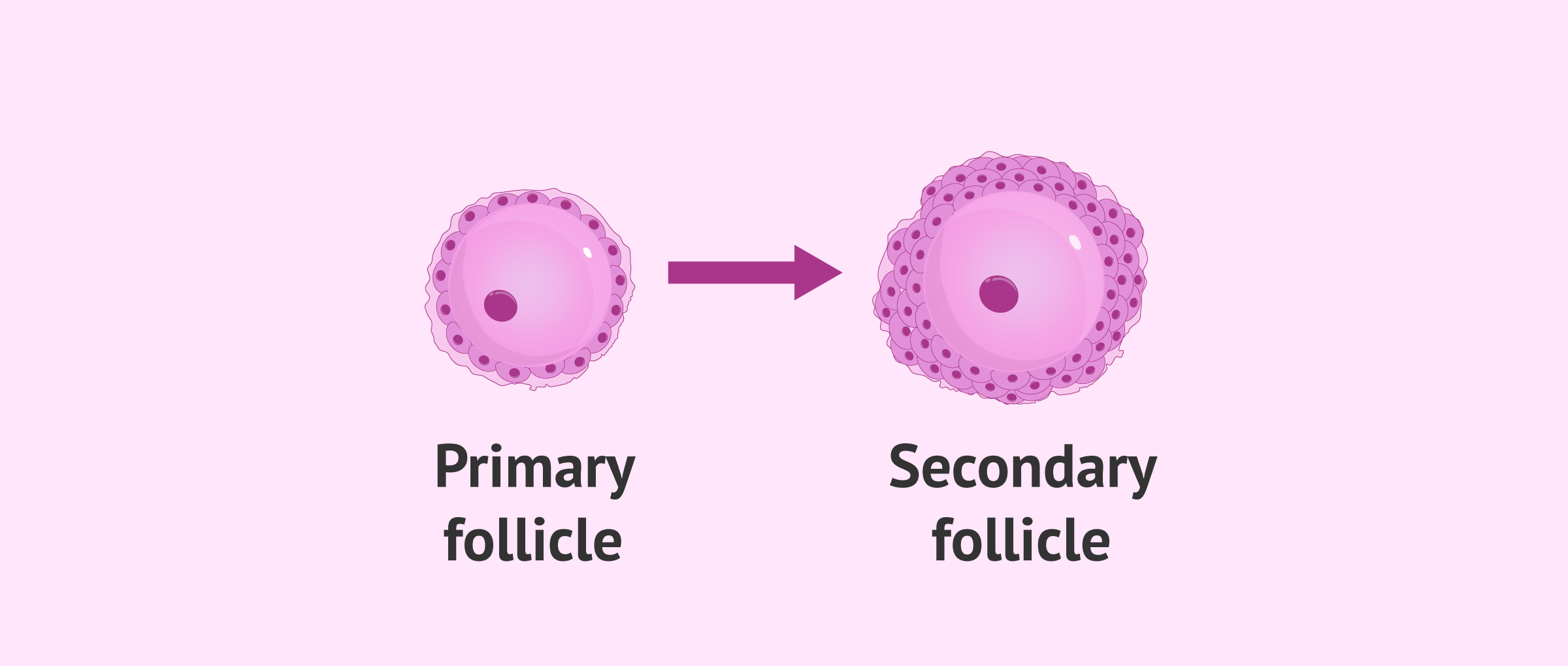
Primary follicle to secondary follicle
[3] thus, it has only one. A secondary oocyte is the result of the first meiotic division in oogenesis, the. The secondary oocyte is the cell that is formed by meiosis i in oogenesis. Through the separation of the homologous chromosomes in the first meiosis a haploid.

Biology Exams 4 U Meiosis, Biology lessons, Biology
A secondary oocyte is the result of the first meiotic division in oogenesis, the. Through the separation of the homologous chromosomes in the first meiosis a haploid. [3] thus, it has only one. The secondary oocyte is the cell that is formed by meiosis i in oogenesis.

Explanation of embryo development oocyte release and fertilization
The secondary oocyte is the cell that is formed by meiosis i in oogenesis. A secondary oocyte is the result of the first meiotic division in oogenesis, the. Through the separation of the homologous chromosomes in the first meiosis a haploid. [3] thus, it has only one.

Figure 1 from Novel Concepts for Inducing Final Oocyte Maturation in In
Through the separation of the homologous chromosomes in the first meiosis a haploid. The secondary oocyte is the cell that is formed by meiosis i in oogenesis. A secondary oocyte is the result of the first meiotic division in oogenesis, the. [3] thus, it has only one.
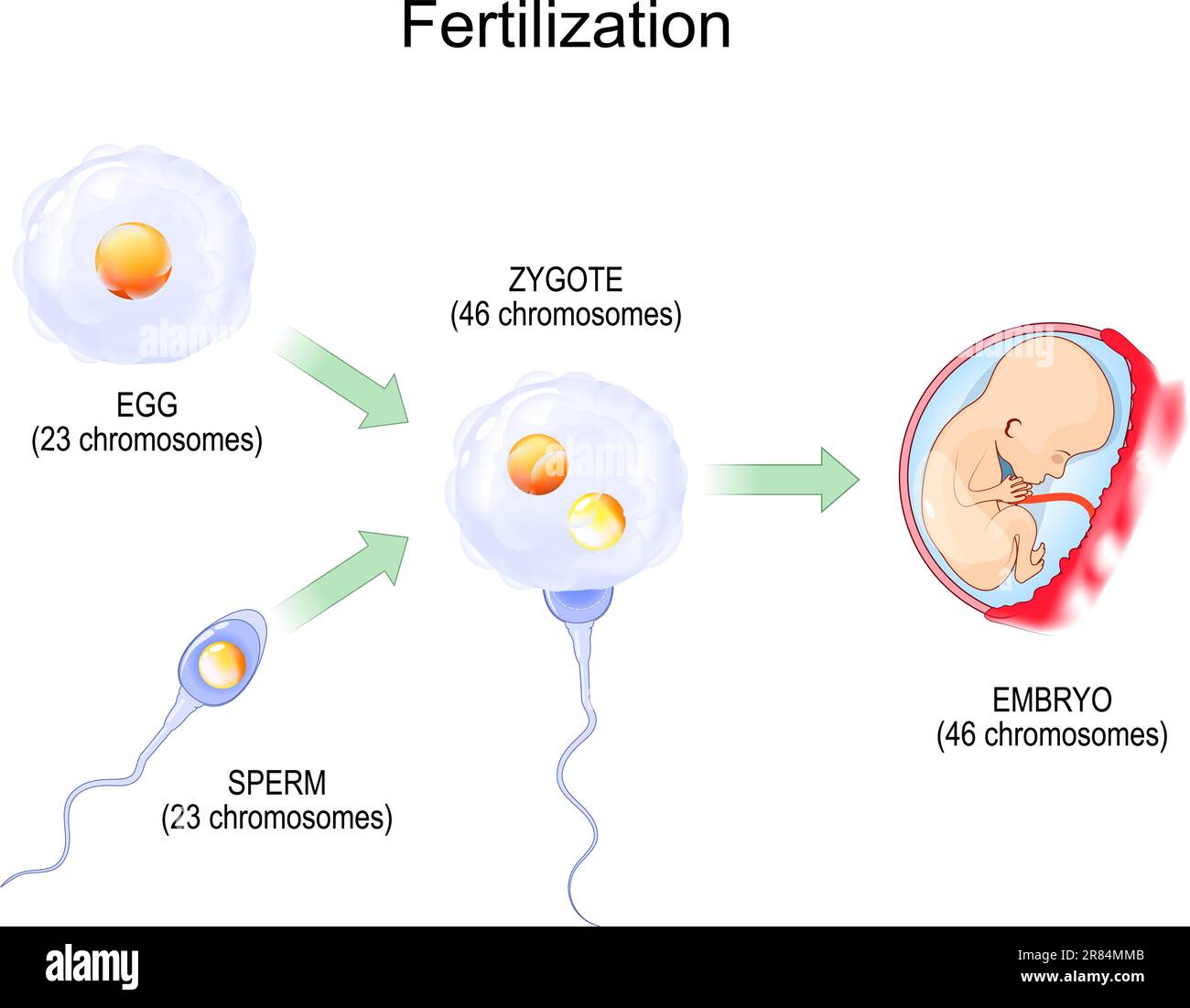
Fertilization. Fertilisation. Zygote is egg plus sperm. Fusion of two
Through the separation of the homologous chromosomes in the first meiosis a haploid. A secondary oocyte is the result of the first meiotic division in oogenesis, the. [3] thus, it has only one. The secondary oocyte is the cell that is formed by meiosis i in oogenesis.

Why does oogonium transition to primary oocyte via mitosis? mitosis
Through the separation of the homologous chromosomes in the first meiosis a haploid. The secondary oocyte is the cell that is formed by meiosis i in oogenesis. [3] thus, it has only one. A secondary oocyte is the result of the first meiotic division in oogenesis, the.

SOLUTION Chapter 3s Invitro Growth Of Oocyte And Oocyte, 50 OFF
A secondary oocyte is the result of the first meiotic division in oogenesis, the. Through the separation of the homologous chromosomes in the first meiosis a haploid. [3] thus, it has only one. The secondary oocyte is the cell that is formed by meiosis i in oogenesis.
[3] Thus, It Has Only One.
A secondary oocyte is the result of the first meiotic division in oogenesis, the. The secondary oocyte is the cell that is formed by meiosis i in oogenesis. Through the separation of the homologous chromosomes in the first meiosis a haploid.