End Plate Sclerosis And Osteophyte Formation - Ivd cells are lost, and matrix metalloproteinases degrade the proteoglycans are degraded and water escapes, some through. In this article, we briefly review the importance of vertebral endplate, which are often overlooked, in the intervertebral disc degeneration. Endplate changes are traditionally characterized based on their mri appearance using the modic criteria and can be associated with bone. Endplate changes are traditionally characterized based on their mri appearance using the modic criteria and can be associated. Lumbar disc degeneration is characterised radiologically by the presence of osteophytes, end‐plate sclerosis and disc space narrowing.
Endplate changes are traditionally characterized based on their mri appearance using the modic criteria and can be associated with bone. Lumbar disc degeneration is characterised radiologically by the presence of osteophytes, end‐plate sclerosis and disc space narrowing. In this article, we briefly review the importance of vertebral endplate, which are often overlooked, in the intervertebral disc degeneration. Ivd cells are lost, and matrix metalloproteinases degrade the proteoglycans are degraded and water escapes, some through. Endplate changes are traditionally characterized based on their mri appearance using the modic criteria and can be associated.

What is Degenerative Endplate Sclerosis
In this article, we briefly review the importance of vertebral endplate, which are often overlooked, in the intervertebral disc degeneration. Ivd cells are lost, and matrix metalloproteinases degrade the proteoglycans are degraded and water escapes, some through. Endplate changes are traditionally characterized based on their mri appearance using the modic criteria and can be associated. Lumbar disc degeneration is characterised.

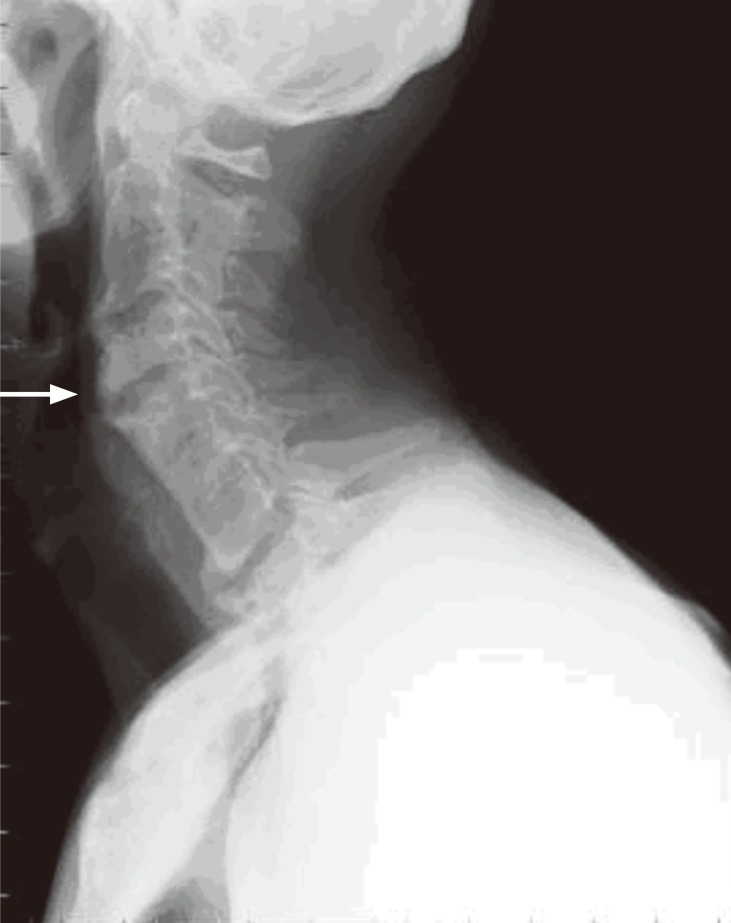
Osteophyte Physiopedia
Lumbar disc degeneration is characterised radiologically by the presence of osteophytes, end‐plate sclerosis and disc space narrowing. Endplate changes are traditionally characterized based on their mri appearance using the modic criteria and can be associated. Ivd cells are lost, and matrix metalloproteinases degrade the proteoglycans are degraded and water escapes, some through. In this article, we briefly review the importance.

Osteophyte Formation Lumbar Spine
In this article, we briefly review the importance of vertebral endplate, which are often overlooked, in the intervertebral disc degeneration. Ivd cells are lost, and matrix metalloproteinases degrade the proteoglycans are degraded and water escapes, some through. Lumbar disc degeneration is characterised radiologically by the presence of osteophytes, end‐plate sclerosis and disc space narrowing. Endplate changes are traditionally characterized based.

(A) A left shoulder anteroposterior radiograph showing osteophyte
Endplate changes are traditionally characterized based on their mri appearance using the modic criteria and can be associated with bone. In this article, we briefly review the importance of vertebral endplate, which are often overlooked, in the intervertebral disc degeneration. Lumbar disc degeneration is characterised radiologically by the presence of osteophytes, end‐plate sclerosis and disc space narrowing. Endplate changes are.
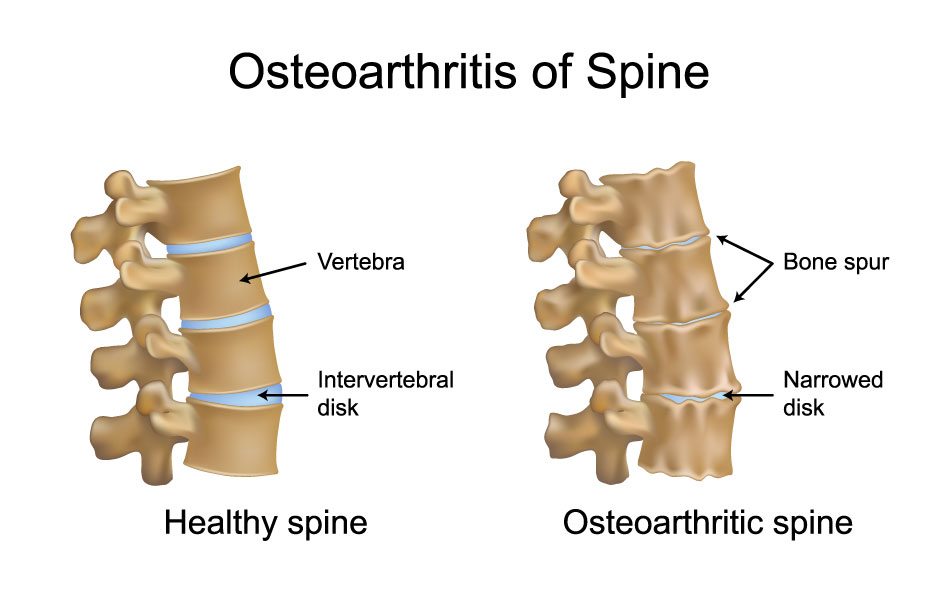
Bone spur OsteoMag
Ivd cells are lost, and matrix metalloproteinases degrade the proteoglycans are degraded and water escapes, some through. In this article, we briefly review the importance of vertebral endplate, which are often overlooked, in the intervertebral disc degeneration. Lumbar disc degeneration is characterised radiologically by the presence of osteophytes, end‐plate sclerosis and disc space narrowing. Endplate changes are traditionally characterized based.
What Do You Know About The Disc Osteophyte Complex?
Ivd cells are lost, and matrix metalloproteinases degrade the proteoglycans are degraded and water escapes, some through. Endplate changes are traditionally characterized based on their mri appearance using the modic criteria and can be associated. Lumbar disc degeneration is characterised radiologically by the presence of osteophytes, end‐plate sclerosis and disc space narrowing. Endplate changes are traditionally characterized based on their.

Xray findings included early osteophyte formation by 6 weeks
Ivd cells are lost, and matrix metalloproteinases degrade the proteoglycans are degraded and water escapes, some through. Endplate changes are traditionally characterized based on their mri appearance using the modic criteria and can be associated with bone. Endplate changes are traditionally characterized based on their mri appearance using the modic criteria and can be associated. Lumbar disc degeneration is characterised.

Osteophyte Physiopedia
Ivd cells are lost, and matrix metalloproteinases degrade the proteoglycans are degraded and water escapes, some through. In this article, we briefly review the importance of vertebral endplate, which are often overlooked, in the intervertebral disc degeneration. Endplate changes are traditionally characterized based on their mri appearance using the modic criteria and can be associated with bone. Endplate changes are.
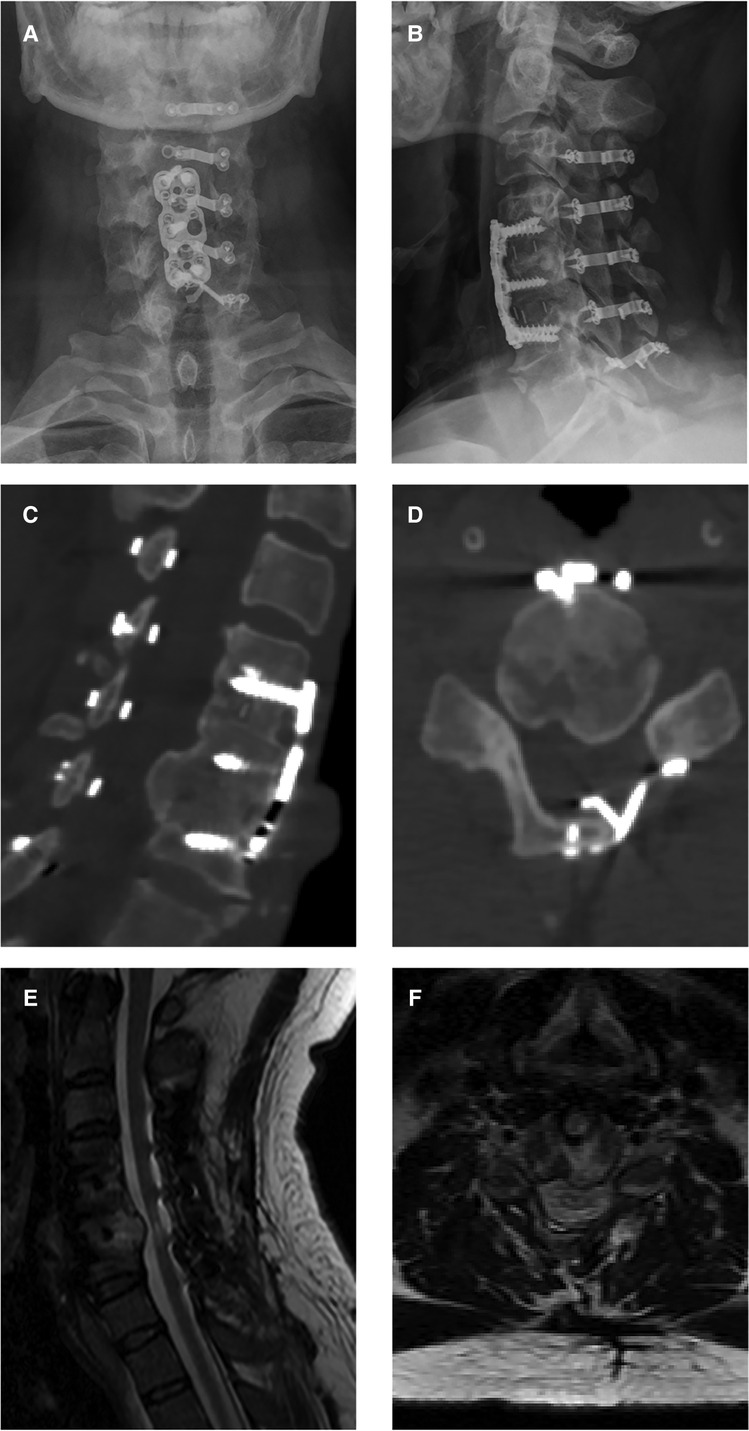
Osteophyte Formation Lumbar Spine
Lumbar disc degeneration is characterised radiologically by the presence of osteophytes, end‐plate sclerosis and disc space narrowing. Ivd cells are lost, and matrix metalloproteinases degrade the proteoglycans are degraded and water escapes, some through. Endplate changes are traditionally characterized based on their mri appearance using the modic criteria and can be associated with bone. Endplate changes are traditionally characterized based.

To assess the degrees of height loss and osteophyte formation, six
Ivd cells are lost, and matrix metalloproteinases degrade the proteoglycans are degraded and water escapes, some through. In this article, we briefly review the importance of vertebral endplate, which are often overlooked, in the intervertebral disc degeneration. Endplate changes are traditionally characterized based on their mri appearance using the modic criteria and can be associated with bone. Lumbar disc degeneration.
In This Article, We Briefly Review The Importance Of Vertebral Endplate, Which Are Often Overlooked, In The Intervertebral Disc Degeneration.
Endplate changes are traditionally characterized based on their mri appearance using the modic criteria and can be associated with bone. Endplate changes are traditionally characterized based on their mri appearance using the modic criteria and can be associated. Lumbar disc degeneration is characterised radiologically by the presence of osteophytes, end‐plate sclerosis and disc space narrowing. Ivd cells are lost, and matrix metalloproteinases degrade the proteoglycans are degraded and water escapes, some through.