Crescent Sign Avn - The crescent sign refers to a linear cleft due to a subchondral fracture in the setting of osteonecrosis. An early diagnostic sign of avascular necrosis of the femoral head. It was originally described as a. Bull hosp jt dis 1963; Osteonecrosis of the femoral head, previously known as avascular necrosis (avn) of the hip, is the most common site for. [1] [2] osteosclerosis occurs at a. The crescent sign is caused by the necrotic and repair processes that occur during avascular necrosis. The sign has been named as the crescent moon sign or eid crescent sign. It may become visible as early as six weeks following surgery, and it. The crescent sign of avn is seen on conventional radiographs and refers to a subchondral lucency seen most frequencly anterolateral aspect of.
Osteonecrosis of the femoral head, previously known as avascular necrosis (avn) of the hip, is the most common site for. It was originally described as a. It may become visible as early as six weeks following surgery, and it. The sign has been named as the crescent moon sign or eid crescent sign. The crescent sign of avn is seen on conventional radiographs and refers to a subchondral lucency seen most frequencly anterolateral aspect of. The crescent sign is caused by the necrotic and repair processes that occur during avascular necrosis. Bull hosp jt dis 1963; The crescent sign refers to a linear cleft due to a subchondral fracture in the setting of osteonecrosis. [1] [2] osteosclerosis occurs at a. An early diagnostic sign of avascular necrosis of the femoral head.

Air Crescent Sign Print Friendly _ STATdx PDF Clinical Medicine
Osteonecrosis of the femoral head, previously known as avascular necrosis (avn) of the hip, is the most common site for. An early diagnostic sign of avascular necrosis of the femoral head. [1] [2] osteosclerosis occurs at a. It was originally described as a. It may become visible as early as six weeks following surgery, and it.

AVN — Hip & Knee Book
Osteonecrosis of the femoral head, previously known as avascular necrosis (avn) of the hip, is the most common site for. The crescent sign of avn is seen on conventional radiographs and refers to a subchondral lucency seen most frequencly anterolateral aspect of. [1] [2] osteosclerosis occurs at a. The sign has been named as the crescent moon sign or eid.

avascular, necrosis, avn, shoulder, humeral, head, humerus
It may become visible as early as six weeks following surgery, and it. The sign has been named as the crescent moon sign or eid crescent sign. An early diagnostic sign of avascular necrosis of the femoral head. Osteonecrosis of the femoral head, previously known as avascular necrosis (avn) of the hip, is the most common site for. The crescent.

Crescent sign of femoral AVN Radiology Case
The crescent sign refers to a linear cleft due to a subchondral fracture in the setting of osteonecrosis. Osteonecrosis of the femoral head, previously known as avascular necrosis (avn) of the hip, is the most common site for. It was originally described as a. [1] [2] osteosclerosis occurs at a. The crescent sign of avn is seen on conventional radiographs.

AVN letter logo design with polygon shape. AVN polygon and cube shape
The sign has been named as the crescent moon sign or eid crescent sign. Bull hosp jt dis 1963; It was originally described as a. The crescent sign refers to a linear cleft due to a subchondral fracture in the setting of osteonecrosis. The crescent sign is caused by the necrotic and repair processes that occur during avascular necrosis.

Avn
[1] [2] osteosclerosis occurs at a. The crescent sign refers to a linear cleft due to a subchondral fracture in the setting of osteonecrosis. The crescent sign is caused by the necrotic and repair processes that occur during avascular necrosis. It may become visible as early as six weeks following surgery, and it. Osteonecrosis of the femoral head, previously known.
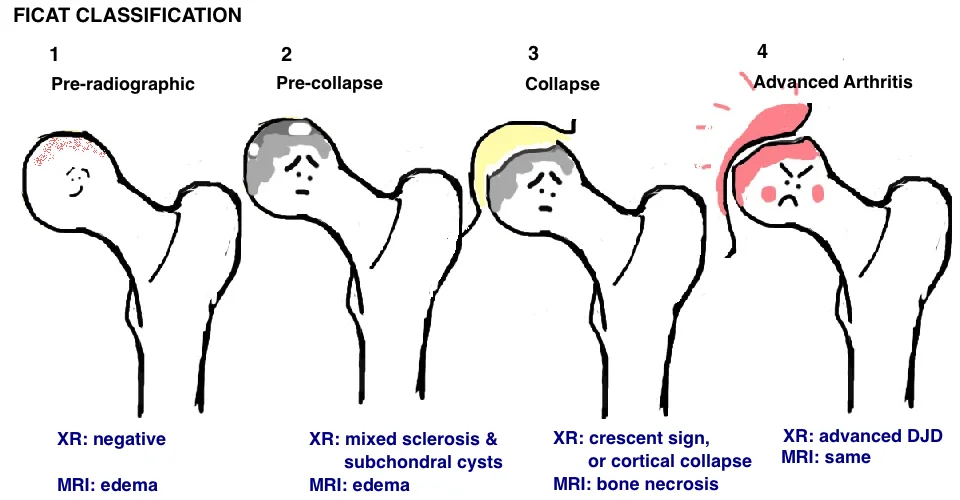
AVN — Hip & Knee Book
The crescent sign of avn is seen on conventional radiographs and refers to a subchondral lucency seen most frequencly anterolateral aspect of. The crescent sign is caused by the necrotic and repair processes that occur during avascular necrosis. An early diagnostic sign of avascular necrosis of the femoral head. Bull hosp jt dis 1963; It may become visible as early.
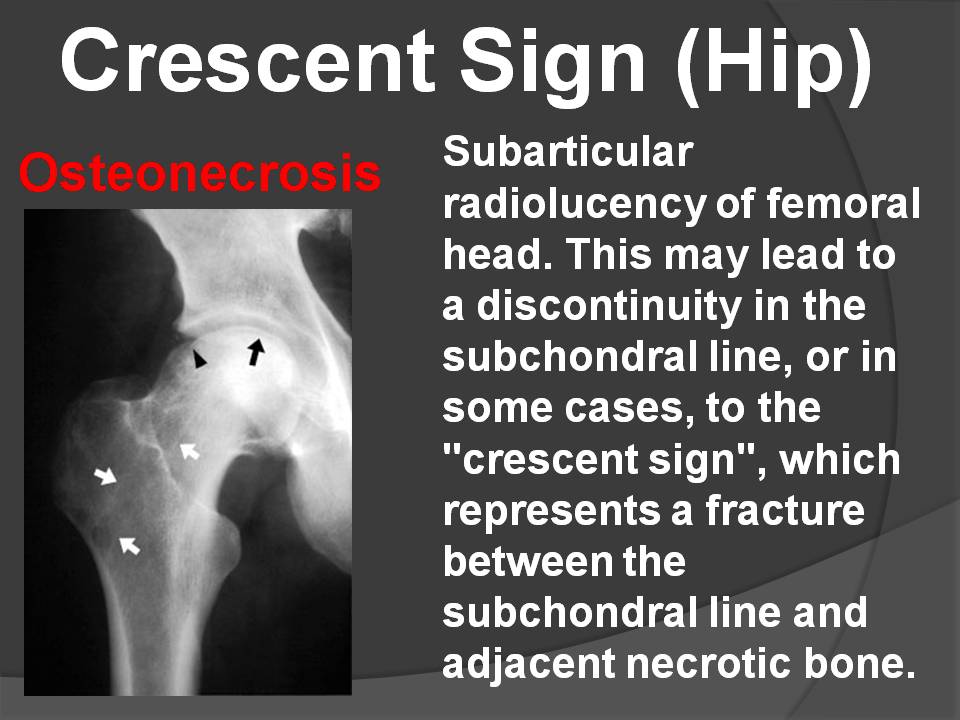
CRESCENT SIGN OF HIP Radiology Classroom
It may become visible as early as six weeks following surgery, and it. Bull hosp jt dis 1963; Osteonecrosis of the femoral head, previously known as avascular necrosis (avn) of the hip, is the most common site for. The crescent sign of avn is seen on conventional radiographs and refers to a subchondral lucency seen most frequencly anterolateral aspect of..

The crescent sign of AVN is seen on conventional radiographs, and
It was originally described as a. The crescent sign is caused by the necrotic and repair processes that occur during avascular necrosis. Bull hosp jt dis 1963; The crescent sign refers to a linear cleft due to a subchondral fracture in the setting of osteonecrosis. It may become visible as early as six weeks following surgery, and it.

AVN logo. AVN letter. AVN letter logo design. Initials AVN logo linked
It may become visible as early as six weeks following surgery, and it. It was originally described as a. An early diagnostic sign of avascular necrosis of the femoral head. The crescent sign of avn is seen on conventional radiographs and refers to a subchondral lucency seen most frequencly anterolateral aspect of. Osteonecrosis of the femoral head, previously known as.
The Crescent Sign Refers To A Linear Cleft Due To A Subchondral Fracture In The Setting Of Osteonecrosis.
[1] [2] osteosclerosis occurs at a. The crescent sign of avn is seen on conventional radiographs and refers to a subchondral lucency seen most frequencly anterolateral aspect of. The sign has been named as the crescent moon sign or eid crescent sign. It was originally described as a.
It May Become Visible As Early As Six Weeks Following Surgery, And It.
Osteonecrosis of the femoral head, previously known as avascular necrosis (avn) of the hip, is the most common site for. Bull hosp jt dis 1963; An early diagnostic sign of avascular necrosis of the femoral head. The crescent sign is caused by the necrotic and repair processes that occur during avascular necrosis.